Curiouser And Curiouser

Curiosity as a child and how it helps our wellbeing.

I don’t know where it came from, I don’t know where I got it but I would say being curious has been my saving grace.

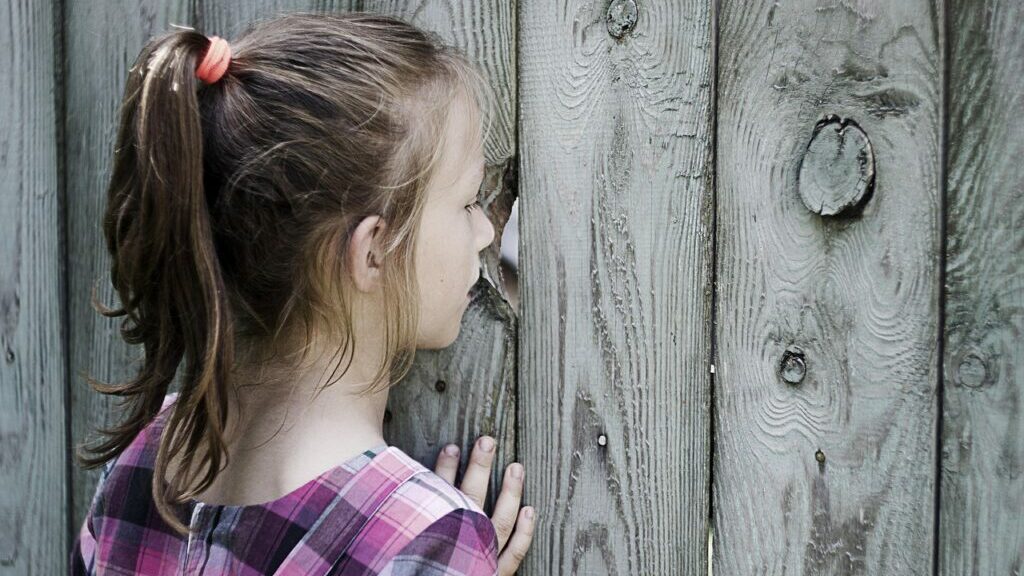
Statistically there would be a high chance that I would have lost the element of being curious. We are all gifted with it from birth, being drawn to new things, then as a toddler it progresses into question after question of “what’s this?” and then the constant “why?”

Dr Bruce Perry of the Child Trauma Academy states; “that if this curiosity isn’t encouraged, it can start to fade”. This can be due to fear, disapproval or the absence of a caring invested adult. I fell into that category, but maybe because there were so many intriguing stories to unfold and secrets withheld from me; I managed to override the norm.

Sadly this loss of wonder is too familiar and it becomes a distant memory along with the busyness of life. Luckily; all is not lost. At any given moment it can be reclaimed and you too can continue your adventure into Wonderland and find the benefits of being curious.

LET THE STORY BEGIN.

If you have ever read the book Alice in Wonderland, you will remember that she falls into a rabbit hole, she then has to work out how to get out again. We become embroiled in her story of challenge, learning and curiosity as she meets many characters, who represent the rules, authorities and conditioning in life.

Confusion and obstacles in life and deciding the right direction.

When she meets Tweedledum and Tweedledee they tell her the tale of the Curious Oysters, instilling a familiar tale to each of us as they describe the consequences of being curious. As the tale unfolds, she continues to encounter all sorts of peculiar characters reconfirming the disastrous effects of curiosity and receives peculiar instructions. This causes confusion as she loses sight of her destination, maybe even feeling ensnared. She has listened to so many stories that she loses sight of herself , which may sound familiar? Fortunately through the story she begins to learn not to listen to others and listen from within and stand up to the obstacles and fears that others have bestowed on her. She finds that by using her curiosity she reclaims her power, identity and choices, to be who she wants to be.

BELIEFS.

As children we are like sponges, believing everything we are told to be the truth, which at times leaves us losing that sense of self and identity, very much like Alice. When we begin to question our beliefs by revisiting our curiosity and standing back and observing ourselves, amazing things can happen and we start to see the benefit of our curiosity. I am amazed every day by what I discover about myself and then I look back and can’t believe I thought the old belief was true.

SO WHAT ARE THE AMAZING BENEFITS?

1. HAPPINESS

Well for me, it is not surprising to learn that curiosity contributes towards happiness. In a survey of more than 10,000 people from 48 countries which was published in ”Perspectives on Psychological Sciences”, happiness was viewed as more important than success, relationships, knowledge, intelligence, relationships, wisdom, maturity, wealth and meaning in life.

So what an outstanding benefit it is, when it is so very much desired. Supporting this benefit is the Dalai Lama who proclaims ”it is the very purpose of our life.” When you begin to encourage a strong desire to know or learn something it cultivates a greater opportunity to experience joy.

In fact, to reiterate this point, Martin Seligman, PhD, and Chris Peterson, PhD, were two pioneers in the field of positive psychology. They created a system undertaken from a result of reading the works of religious texts, contemporary literature and ancient philosophers, and then identified patterns that they subjected to rigorous scientific tests. Through their research they began to recognise 24 basic human strengths, out of the 24, curiosity was one of the five most highly associated with overall life fulfilment and happiness.

2. RELATIONSHIPS

The more we become curious of surrounding people, the more open they in turn become. Our brains require stimulation and connection to survive and thrive. I know when I have had times of darkness in my life and felt anxious about communicating with others, it has had a knock on effect on my confidence, my ability to concentrate and my recall. When I take the plunge and engage, I start to feel the stimulation of positive emotions.

A study in the Journal of Social and Clinical Psychology: Vol. 23, by Todd B. Kashdan, John E. Roberts (2004) found that people were rated as more attractive and warmer if they showed real curiosity when engaging with others regardless of their social anxiety or levels of positive and negative emotion. This is great news so take the plunge like me and reap the benefits.

3. BUILDS OUR EMPATHY

When we start to build on our relationships by being curious, we find that we have more in common with others than we think. We become more understanding and gain greater insights in other people’s points of view. This can alleviate frustration and build on healthier ways to communicate.

4. INTELLECT

Dr. Matthias Gruber, lead author of a study at the University of California linking curiosity with memory and learning says that

“Curiosity may put the brain in a state that allows it to learn and retain any kind of information, like a vortex that sucks in what you are motivated to learn, and also everything around it.”

Wow, that is an incredible statement.

It is no wonder that Albert Einstein said “I have no special talents. I am only passionately curious,” he wasn’t kidding. What the great Einstein was stating, I believe, is that we are all given the same rights to uncover, learn and explore, it is down to us to use them.

5. HEALTH

If we take all the benefits above that we have gained from our curiosity, it is highly likely that we would be rewarded by feeling healthier. A study over a period of five years on over a 1000 adults aged 60- 86. Aging found that those who were ranked as being more curious at the beginning of the study were more likely to have longevity of life as its conclusion, even after taking into account age, whether they smoked, the presence of cancer or cardiovascular disease, and so on.

WILL YOU JUMP DOWN THE RABBIT HOLE?

Down the rabbit hole of curiosity and positive psychology.

I hope you have found this article useful, and realised that if you were once burnt, you don’t have to stay that way. Are you willing to take that adventure just like Alice and create a life full of wonder….curiosity….joy….relationships….empathy….intellect…. and live to a ripe old age being curiouser and curiouser.

I would love to read your comments and let me know if you have found the curiosity in you.

Because happiness begins with you – and as we like to say at Little Shop of Happiness – ✨ little moments create big joy.   

With warmth,
Ali 🌸

When You’re Finding Your Way Back To Yourself

Transition of seasons

There are seasons in life when things feel uncertain.
When the ground beneath your feet shifts.
When your thoughts loop, your emotions rise, and your sense of self feels blurred around the edges.

If you’re in a season like this, you’re not failing.
You’re simply in transition.

And transition is not chaos —
it is reorganising.

Sometimes we think healing means feeling strong, confident, and bright every day.
But often, real healing begins in the quiet moments where we simply stop running from ourselves.

The pause.
The stillness.
The not-knowing-yet.

This place matters.

Because this is where you start to hear yourself again.

Not the versions of you shaped around other people’s expectations.
Not the version who holds everything together for others.
Not the version who tries to earn love by being useful, calm, or “easy.”

But the version of you who is tender, whole, human, and quietly wise.
The one who has always been there.
Even when life felt too loud to hear her.


A Gentle Practice for Today

Place one hand on your chest.
One hand on your belly.
And breathe.

Slowly.
Steadily.
No goal.
No fixing.
Just presence.

Ask yourself:

“What do I need in this moment?”

Not for tomorrow.
Not for anyone else.
Just you.

Whatever rises — honour it.

Even if it’s small.


Small Steps That Bring You Back to Yourself

You don’t need to overhaul your life.

Choose one:

  • Enjoy a warm drink without distraction
  • Step outside and feel fresh air on your face
  • Let music soften your breath
  • Write one sentence about how you feel
  • Sit in silence and simply be

Reconnection returns through small, loving touches repeated with gentleness.


If Today Feels Heavy

Remember:

You have walked through every difficult day of your life.
You have not abandoned yourself.
Not once.

There is strength in you that is steady, quiet, and deeply rooted.

You are finding your way back.
Softly.
Naturally.
In your own time.

And there is no rush.


Because happiness begins with you – and as we like to say at Little Shop of Happiness,

✨ little moments create big joy.

With warmth,
Ali 🌸

What Blocks And Prevents Gratitude And How Can I Overcome This ?

Its an image showing someone blocking and preventing

Gratitude holds real power in changing how we view the world around us, and even ourselves.A lens for a different focus

Think of it as a lens that helps us focus on the good, even when life doesn’t seem to cooperate. In the whirlwind of everyday chaos, finding things to be grateful for can ground us and change our perspective entirely.

When gratitude becomes a part of your life without having to consciously think about it, that’s when you see its true magic. It’s like the sunrise you enjoy without actively planning to; it’s there, and it fills you with warmth and light. But reaching this effortless state often requires some work and understanding that gratitude is more than just a self-help buzzword. It’s about allowing gratitude to seep into your everyday routine until it becomes second nature.

I’ve found that when you start integrating gratitude into your daily life, you start noticing subtle shifts. Suddenly, that annoying traffic is an opportunity for me to blast out some favourite tunes to bop along too, and that unexpected rain turns into a chance to enjoy the beauty of raindrops or spot a rainbow. Who doesn’t love a rainbow. It’s this transformative quality that makes gratitude such a powerful tool. Once it’s part of you, it works its subtle magic without you even noticing.

Hearing my own story might make you a bit sceptical, but once you start embracing gratitude, you’ll find your own experiences that change the way you see things around you. It’s less about jumping on the gratitude bandwagon and more about genuinely finding what’s good in your world. When gratitude just is part of your life, it can reshape everything you know about positive thinking and contentment.

Barriers to Gratitude: Identifying What Blocks and Prevents Appreciation

Let’s break it down—sometimes, life’s chaos makes it hard to notice the good stuff.chaotic

Stress is a major culprit, and while we’re drowning in deadlines and worries, gratitude seems to slip through the cracks. Trauma and life’s curveballs can dull our sense of appreciation too, sort of like mental blind spots.

Then there’s the pesky side of our own nature. Pride and stubbornness can act like invisible walls keeping gratitude at bay. Misplacing our focus, perhaps dwelling on what’s lacking instead of what’s present, digs that trench even deeper.

I’ve had my share of ‘a-ha’ moments, realising that the hard truths I dodged were actually key to unlocking gratitude. Trust me, owning up to our mental roadblocks isn’t easy, but it’s a necessary step. It’s kind of like clearing out your mental attic: messy and uncomfortable, but totally worth it.

But what if I told you there’s a part of your brain that has a say in how grateful you feel? The prefrontal cortex plays a significant role in managing gratitude and other feel-good emotions. Sometimes, when we’re not feeling grateful, it’s because that part of our brain isn’t firing on all cylinders, thanks to stress or other factors.

Embracing those mental and emotional blocks with honesty can truly start the healing process. Seeing where you’re stuck requires a bit of tough love, and often a willingness to face those realities with an open heart.Having an open heart

Overcoming Challenges: Embracing Gratitude as a Way of Life

The journey to making gratitude a core part of life begins with understanding and overcoming roadblocks. Those emotional and mental barriers don’t stand a chance when you approach them with intention and self-reflection. It’s all about training your mind to recognise opportunities for gratitude in everyday moments. Think of it like strengthening your mind like going to a mind gym, instead of a physical gym.

One way to do this is by harnessing the power of mindfulness. Mindfulness practices, like meditation, help keep you grounded. They foster a space where you can acknowledge stressful thoughts, but also let them go, making room for a more grateful mindset.

Self-reflection plays a huge role too. You need to honestly check in with yourself. Ask questions that might be tough to answer: Are my expectations too high? Am I focusing too much on what I lack? Answering these requires honesty, but that’s where real growth happens.Self reflection, gratitude

Developing a gratitude journal can also work wonders. By jotting down even the tiniest things you’re thankful for, you’re training your brain to naturally seek out positives. Over time, these small acts transform your mindset, making gratitude a natural part of your life, rather than something you have to consciously practice.

Gaining perspective through connecting with others is invaluable, too. Learning from those who walk the same path provides insights and encouragement. Sometimes, a different viewpoint is all it takes to help you see your own life in a better light. In sharing stories and experiences, the journey toward a grateful life isn’t one you have to take alone.

Sustaining Gratitude: Beyond Just a Tool

Gratitude sometimes gets labelled as a neat trick to boost happiness, but there’s more depth to it. Instead of just being a temporary fix, gratitude becomes a dynamic part of you. It shouldn’t be a checkbox on your self-help list, but rather part of how you navigate through life.

One reality check involves understanding what gratitude doesn’t cover. It’s not about ignoring life’s hardships or pretending everything is perfect. Instead, it’s about acknowledging that, while things can be tough, there are still bright spots worth appreciating. Realism and gratitude can sit comfortably together, balancing each other out.

Where gratitude often shines is when it becomes ingrained in who you are. What once started as an effort shifts into a natural inclination to see the good around you. This doesn’t mean you’re always in a constant state of bliss, but that gratitude finds its way into your responses and actions organically.

Getting to this point takes patience and practice, but it’s doable. From making gratitude lists to consciously embracing gratitude even when it’s challenging—it all pays off in the long run.

A big part of integrating gratitude into everyday life is hearing and sharing stories from those who have experienced its benefits over time.Sharing stories and connection

These stories can drive home how gratitude is more than a mere tool—it’s a powerful ally. Personally, having gratitude as part of my day-to-day life has reshaped my outlook dramatically. Once you reach that point, you might just find, like me, that the magic was there all along, waiting to be discovered.

I hope this post helps you see the power of gratitude and that you too can navigate the roadblocks of life a little lighter.

Because happiness begins with you – and as we like to say at Little Shop of Happiness,

✨ little moments create big joy.

With warmth,
Ali 🌸