When The Sea Reminds You To Breathe: Finding Calm In The Smallest Moments.

Calm in small moments

There’s something about the November sea that feels like a whispered secret.

The air is cool, the light is soft, and everything seems quieter. Yet the water still finds a way to glisten — not with summer’s bold brightness, but with a gentle shimmer that feels like the sea itself is taking a slow, steady breath.

Standing there watching the sunlight dance across the water, I felt something inside me soften… just a little.

The tension eased, the pressure loosened, and I remembered what calm can feel like.

How the sea can bring calm.

It reminded me that inner peace doesn’t always arrive in big ways.

Often, it comes in the smallest moments — a patch of light, a breath, a change of air.

This is where we begin reconnecting with ourselves again.

Being vs. Doing — knowing what your body truly needs

Overwhelm can make us freeze.

Doing too much can exhaust us.

And sometimes we can’t tell which one we’re in.

But I’ve learned — gently, slowly — that being and doing are not opposites. They support each other.

Sometimes your body needs stillness.

A moment to breathe.

A moment not to fix anything.

A moment to just exist without expectation.

And sometimes a tiny action becomes the doorway back to calm.

A short walk.

Fresh air.

Cold water on your hands.

The sea shimmering in front of you.

Taking that small step outside helped me find the quiet I couldn’t reach indoors.

Sometimes movement gives us back our centre.

A gentle reminder if you’re overwhelmed today

You don’t have to “get everything right.”

You don’t have to rush to feel better.

You don’t have to have clarity yet.

You only need one small moment that helps your shoulders drop.

It could be:

– the sky

– the sea

– a breath

– a pause

– a quiet corner

– a cup of tea

– a single peaceful sound

Little moments can bring us back to ourselves more than we realise.

A quiet prompt for your heart

Take one minute today and ask yourself:

“What tiny moment helps me feel just a little more like myself?”

Your answer doesn’t have to be big.

Just honest.

Just yours.

Because happiness begins with you – and as we like to say at Little Shop of Happiness,

✨ little moments create big joy.

With warmth,
Ali 🌸

Creating Calm In Daily Life

Calming effects of nature

The 3-3-3 rule is a simple yet effective tool for anyone feeling anxious or overwhelmed, acting as a quick mental reset and helping ground you in the here and now. The concept is pretty straightforward: you start by identifying three things you can see around you. It doesn’t have to be anything special—a chair, a tree, or a cup. Next, you tune your attention to three sounds you can hear. This might be the hum of the heating, the distant chatter of people, or even the rustling of leaves outside. Finally, you move three parts of your body, such as your fingers, toes, or even the tilt of your head.

Focusing on these elements helps shift your mind from racing thoughts to concrete realities, pulling you out of your head and into the world around you. By directing your attention to the external environment, you give your brain the breather it needs from stressors or anxious thoughts. This practice of re-centering your senses can often be the quiet pause you need to regain your composure.

For instance, imagine a day when everything feels like it’s crashing down. You’re in the middle of the hustle and bustle, heart racing, barely keeping up. By practicing the 3-3-3 rule, you might suddenly find a moment of clarity—a small, yet significant reprieve from chaos. This grounding technique can become a go-to tool in moments of crisis or overwhelm.

Incorporating the 3-3-3 rule doesn’t need to be scheduled or hard to remember. It’s there whenever you need a quick reset. It’s like carrying a little piece of calm in your pocket that you can pull out anytime you need it. Next time you feel caught in the whirlwind of stress, give the 3-3-3 rule a try and see how this simple practice can be a game-changer for your mental peace.

Training Yourself to Be Calm in a Chaotic World

Finding calm amid the chaos of everyday life isn’t just about those fleeting moments of tranquility; it’s about creating habits that nurture peace consistently. One of the first steps is recognising that calmness can be a trained skill, not just a natural talent.

Incorporating simple mindfulness practices into your routine can have a profound effect on your overall well-being. Setting aside just a few minutes each day for meditation can help you pause and recalibrate your mental state. In this stillness, you not only find calm but also develop heightened self-awareness and emotional resilience.

Working on simple breathing exercises is another practical tool that doesn’t require setting aside much time. Focusing on your breath—slowing it down, deepening it, watching it—is one of the earliest forms of meditation and well within your reach at any moment. It connects your body and mind, allowing stress to take a backseat while calmness drives.

Embracing the balance between being and doing is crucial as well. We often overburden ourselves with constant activity, thinking that more is better. Yet sometimes stepping back, refusing to act, and merely existing can help regain a sense of balance. It’s about listening to what your body truly needs, whether it’s a moment of stillness or a burst of energy.

Training for calm isn’t about achieving perfection, but rather making space for peace through small, manageable steps. Every effort toward patience and mindfulness creates a stronger foundation for you to remain centred, regardless of what’s happening around you. By becoming more attuned to your needs, you nurture inner tranquility that grows over time.

Identifying the Warning Signs of Stress

Recognising stress can be tricky since it often sneaks up on you and takes hold slowly, but being able to identify its signs sets you on the path to managing it effectively. Here are seven common signs that might indicate stress is starting to take its toll on your wellbeing.

One telltale sign is persistent headaches. Often, they creep in when you’re under pressure and fade away when things calm down. If you notice a pattern, it might be time to explore what’s triggering this response.

Another sign lurks in your sleep habits. Finding it hard to doze off or waking up frequently can signal your mind is unable to switch off and relax. Keeping track of sleep changes can offer insights into your mental state.

Increased irritability is another indicator. If little things that wouldn’t have bothered you before suddenly push your buttons, it’s worth examining what’s causing this heightened sensitivity to stressors.

Muscle tension is a physical manifestation of stress. Notice any persistent tightness in your shoulders, neck, or jaw? That could be your body holding onto stress and anxiety.

Frequent colds could also be a red flag that stress is compromising your immune system. Stress impacts your body in ways that can make you more susceptible to pesky colds or infections.

Pay attention to changes in appetite, too. Eating too much or too little, different from your usual habits, can often be traced back to stress, acting as your body’s subconscious response to external pressures.

Finally, feeling constantly drained, no matter how much rest you get, is a critical sign that stress is siphoning your energy. When fatigue seems to linger despite getting enough sleep, it might be your body’s way of saying something’s up.

Recognising these signs empowers you to make proactive decisions in managing stress. It’s like your body trying to be a good friend, sometimes telling you the things, you don’t want to hear, but just trying to have your back. So listening to what your body needs and addressing these issues with lifestyle changes or seeking professional help could vastly improve your quality of life.

Finding Calmness in Life: Embracing Nature’s Lessons

Nature is a constant teacher when it comes to finding genuine calm in our lives. Think about standing by the sea, watching its endless rhythm. There’s something about those waves, always in motion yet somehow still calming, that reminds us to breathe and be present in the moment.

Taking cues from nature offers a transformative way to infuse small doses of tranquility into every day. Whether it’s the stillness of a park or the gentle rustling of leaves, being in nature allows us to slow down, breaking away from the rush of daily life.

Adopting nature-inspired practices can be as simple as spending a few moments outdoors each day. A short walk or just sitting quietly under the sun can function like a mental reset button. It’s in these small acts where true serenity is often found.

Creating a personal ritual around these moments helps in internalising that sense of peace. It could be making a quiet moment in the morning ritual, stepping outside to take in fresh air, or enjoying the sights and sounds of nature as a form of meditation. By inviting these small acts into daily routines, we allow ourselves to be gently reminded of the peace and balance that exists within us, inspired by the world around us.

Finding calmness doesn’t have to mean monumental changes or grand gestures; sometimes, all it takes is a moment to pause, appreciate, and reconnect with the natural world and most importantly yourself.

Because happiness begins with you – and as we like to say at Little Shop of Happiness,

✨ little moments create big joy.

With warmth,
Ali 🌸

Curiouser And Curiouser

Curiosity as a child and how it helps our wellbeing.

I don’t know where it came from, I don’t know where I got it but I would say being curious has been my saving grace.

Statistically there would be a high chance that I would have lost the element of being curious. We are all gifted with it from birth, being drawn to new things, then as a toddler it progresses into question after question of “what’s this?” and then the constant “why?”

Dr Bruce Perry of the Child Trauma Academy states; “that if this curiosity isn’t encouraged, it can start to fade”. This can be due to fear, disapproval or the absence of a caring invested adult. I fell into that category, but maybe because there were so many intriguing stories to unfold and secrets withheld from me; I managed to override the norm.

Sadly this loss of wonder is too familiar and it becomes a distant memory along with the busyness of life. Luckily; all is not lost. At any given moment it can be reclaimed and you too can continue your adventure into Wonderland and find the benefits of being curious.

LET THE STORY BEGIN.

If you have ever read the book Alice in Wonderland, you will remember that she falls into a rabbit hole, she then has to work out how to get out again. We become embroiled in her story of challenge, learning and curiosity as she meets many characters, who represent the rules, authorities and conditioning in life.

Confusion and obstacles in life and deciding the right direction.

When she meets Tweedledum and Tweedledee they tell her the tale of the Curious Oysters, instilling a familiar tale to each of us as they describe the consequences of being curious. As the tale unfolds, she continues to encounter all sorts of peculiar characters reconfirming the disastrous effects of curiosity and receives peculiar instructions. This causes confusion as she loses sight of her destination, maybe even feeling ensnared. She has listened to so many stories that she loses sight of herself , which may sound familiar? Fortunately through the story she begins to learn not to listen to others and listen from within and stand up to the obstacles and fears that others have bestowed on her. She finds that by using her curiosity she reclaims her power, identity and choices, to be who she wants to be.

BELIEFS.

As children we are like sponges, believing everything we are told to be the truth, which at times leaves us losing that sense of self and identity, very much like Alice. When we begin to question our beliefs by revisiting our curiosity and standing back and observing ourselves, amazing things can happen and we start to see the benefit of our curiosity. I am amazed every day by what I discover about myself and then I look back and can’t believe I thought the old belief was true.

SO WHAT ARE THE AMAZING BENEFITS?

1. HAPPINESS

Well for me, it is not surprising to learn that curiosity contributes towards happiness. In a survey of more than 10,000 people from 48 countries which was published in ”Perspectives on Psychological Sciences”, happiness was viewed as more important than success, relationships, knowledge, intelligence, relationships, wisdom, maturity, wealth and meaning in life.

So what an outstanding benefit it is, when it is so very much desired. Supporting this benefit is the Dalai Lama who proclaims ”it is the very purpose of our life.” When you begin to encourage a strong desire to know or learn something it cultivates a greater opportunity to experience joy.

In fact, to reiterate this point, Martin Seligman, PhD, and Chris Peterson, PhD, were two pioneers in the field of positive psychology. They created a system undertaken from a result of reading the works of religious texts, contemporary literature and ancient philosophers, and then identified patterns that they subjected to rigorous scientific tests. Through their research they began to recognise 24 basic human strengths, out of the 24, curiosity was one of the five most highly associated with overall life fulfilment and happiness.

2. RELATIONSHIPS

The more we become curious of surrounding people, the more open they in turn become. Our brains require stimulation and connection to survive and thrive. I know when I have had times of darkness in my life and felt anxious about communicating with others, it has had a knock on effect on my confidence, my ability to concentrate and my recall. When I take the plunge and engage, I start to feel the stimulation of positive emotions.

A study in the Journal of Social and Clinical Psychology: Vol. 23, by Todd B. Kashdan, John E. Roberts (2004) found that people were rated as more attractive and warmer if they showed real curiosity when engaging with others regardless of their social anxiety or levels of positive and negative emotion. This is great news so take the plunge like me and reap the benefits.

3. BUILDS OUR EMPATHY

When we start to build on our relationships by being curious, we find that we have more in common with others than we think. We become more understanding and gain greater insights in other people’s points of view. This can alleviate frustration and build on healthier ways to communicate.

4. INTELLECT

Dr. Matthias Gruber, lead author of a study at the University of California linking curiosity with memory and learning says that

“Curiosity may put the brain in a state that allows it to learn and retain any kind of information, like a vortex that sucks in what you are motivated to learn, and also everything around it.”

Wow, that is an incredible statement.

It is no wonder that Albert Einstein said “I have no special talents. I am only passionately curious,” he wasn’t kidding. What the great Einstein was stating, I believe, is that we are all given the same rights to uncover, learn and explore, it is down to us to use them.

5. HEALTH

If we take all the benefits above that we have gained from our curiosity, it is highly likely that we would be rewarded by feeling healthier. A study over a period of five years on over a 1000 adults aged 60- 86. Aging found that those who were ranked as being more curious at the beginning of the study were more likely to have longevity of life as its conclusion, even after taking into account age, whether they smoked, the presence of cancer or cardiovascular disease, and so on.

WILL YOU JUMP DOWN THE RABBIT HOLE?

Down the rabbit hole of curiosity and positive psychology.

I hope you have found this article useful, and realised that if you were once burnt, you don’t have to stay that way. Are you willing to take that adventure just like Alice and create a life full of wonder….curiosity….joy….relationships….empathy….intellect…. and live to a ripe old age being curiouser and curiouser.

I would love to read your comments and let me know if you have found the curiosity in you.

Because happiness begins with you – and as we like to say at Little Shop of Happiness – ✨ little moments create big joy.   

With warmth,
Ali 🌸

When You’re Finding Your Way Back To Yourself

Transition of seasons

There are seasons in life when things feel uncertain.
When the ground beneath your feet shifts.
When your thoughts loop, your emotions rise, and your sense of self feels blurred around the edges.

If you’re in a season like this, you’re not failing.
You’re simply in transition.

And transition is not chaos —
it is reorganising.

Sometimes we think healing means feeling strong, confident, and bright every day.
But often, real healing begins in the quiet moments where we simply stop running from ourselves.

The pause.
The stillness.
The not-knowing-yet.

This place matters.

Because this is where you start to hear yourself again.

Not the versions of you shaped around other people’s expectations.
Not the version who holds everything together for others.
Not the version who tries to earn love by being useful, calm, or “easy.”

But the version of you who is tender, whole, human, and quietly wise.
The one who has always been there.
Even when life felt too loud to hear her.


A Gentle Practice for Today

Place one hand on your chest.
One hand on your belly.
And breathe.

Slowly.
Steadily.
No goal.
No fixing.
Just presence.

Ask yourself:

“What do I need in this moment?”

Not for tomorrow.
Not for anyone else.
Just you.

Whatever rises — honour it.

Even if it’s small.


Small Steps That Bring You Back to Yourself

You don’t need to overhaul your life.

Choose one:

  • Enjoy a warm drink without distraction
  • Step outside and feel fresh air on your face
  • Let music soften your breath
  • Write one sentence about how you feel
  • Sit in silence and simply be

Reconnection returns through small, loving touches repeated with gentleness.


If Today Feels Heavy

Remember:

You have walked through every difficult day of your life.
You have not abandoned yourself.
Not once.

There is strength in you that is steady, quiet, and deeply rooted.

You are finding your way back.
Softly.
Naturally.
In your own time.

And there is no rush.


Because happiness begins with you – and as we like to say at Little Shop of Happiness,

✨ little moments create big joy.

With warmth,
Ali 🌸

Our Story

Hi, I’m Ali — and a very warm welcome to Little Shop of Happiness.

Our Story. Welcome

Rediscovering joy in life’s little things, together.

Let me take you back for a moment — to my childhood. It wasn’t always filled with joy and happiness. Like many of us, I grew up amidst challenges and uncertainty, and there were times when life felt heavy and unpredictable. But looking back, those moments were where my journey of self-discovery quietly began.

Self discovery

As I grew older, I found myself searching for something deeper — a sense of peace and connection that seemed just out of reach. That search led me to explore positive psychology and mindfulness, not just as concepts, but as lifelines. They became my way of understanding what it truly means to live with awareness, gratitude, and presence.

Through this journey, I became certified as an NLP Practitioner, coach, and hypnotherapist. But these aren’t just titles to me — they’re tools that helped me transform my own relationship with happiness and, in turn, guide others to rediscover theirs.

That’s how Little Shop of Happiness was born — from a heartfelt mission to create a welcoming space for those who feel disconnected, helping them reconnect with themselves and rediscover joy in life’s little things.


A Little More About Me

I’m happily married and a proud mum of two wonderful daughters who are now stepping into young adulthood with confidence and grace. Our family also includes two furry bundles of energy, Bailey and Rosie, who fill our home with laughter, cuddles, and just the right amount of chaos.

my interest in nature for little shop of happiness


Nature has always been my sanctuary. Whether it’s a quiet walk with the sound of birds, the rhythm of the waves during a sea swim, or simply watching the sun rise and set — those moments remind me that peace and joy often live in the simplest places.

I find happiness in life’s little rituals: a warm cup of tea, shared laughter, or a quiet moment of stillness. These small acts have become anchors — daily reminders that joy doesn’t have to be grand to be meaningful.


The Heart Behind Little Shop of Happiness

At Little Shop of Happiness, my purpose is to support and empower others to reconnect with themselves — especially those who feel overwhelmed, lost, or disconnected — and help them rediscover the joy that’s always been within reach.

calm, reconnecting a step at a time

I believe happiness isn’t about perfection or constant positivity; it’s about presence. It’s about noticing the moments that make your heart exhale — a kind word, a deep breath, a moment of calm amid chaos.

Through mindfulness, positivity, and simple daily practices, we can gently shift from overwhelm to appreciation, from autopilot to awareness, and from “just getting through” to truly living.

Together, we’ll explore ways to bring more meaning, balance, and lightness into your everyday — because joy isn’t something to chase, it’s something to nurture.


A Closing Thought

If you take one thing away from my story, I hope it’s this:
Happiness begins with you — in the small, beautiful, ordinary moments that make up your days.

Here, in this little corner of the world, you’ll always find a warm welcome, a gentle reminder to pause, and a space to reconnect with what truly matters.

At Little Shop of Happiness, we believe: little moments create big joy.

With warmth,
Ali 🌸

How Overwhelm Encourages Mindfulness Of The Little Things

Resonating with feeling overwhelmed

Transforming Overwhelm into a Catalyst for Mindful Living

Everyone’s juggling something, and sometimes life feels like a relentless high-wire act. Jobs, relationships, hobbies, let alone the everyday headlines — sometimes it all seems all at once! And in the thick of it, we don’t always notice how much we’re managing until it hits us. That moment when your brain goes, “Whoa, this is a lot,” is overwhelm announcing itself.

Here’s the tricky part: overwhelm doesn’t always show up right away. It sneaks in like waves crashing over us when we’re trying to keep all the balls in the air. One minute we think we’re doing okay, then bam — overwhelm surfaces, spinning us into stress and anxiety.

I’ve been there more times than I care to count — feeling stuck, worried I was missing out on joy, feeling I’m not achieving or sabotaging what matters most. It can stop us in our tracks and make us question our worth. But here’s the hopeful truth: overwhelm doesn’t define us. It’s temporary, and it can also be a guide.

Let’s pause for a moment and acknowledge how hard we are on ourselves. We bulldoze through achievements; I have thrown certificates in cupboards without a moments thought of the graft I put in and then continued to focus on what I hadn’t achieved, chasing the next goal. “Not enough,” we whisper on repeat. How about you? But what if we took a deep breath and recognised all we’ve already managed, all we’ve already accomplished? That’s where hope lives — in noticing our strength and resilience.


Seeing Overwhelm as a Friend

What if overwhelm could actually teach us something? When I shifted my perspective, I realised it wasn’t the enemy. It stirred stress, yes, but it also became a gentle nudge — a reminder to slow down and notice the joy that’s already present.

Turning chaos into clarity starts with a small shift: celebrating ourselves. Noticing what we’ve done, the hurdles we’ve jumped, the tiny steps forward. It’s about being our own cheerleader and trusting we’re moving in the right direction.

For me, this was transformative. I began to see overwhelm as a friendly guide saying, “Take a breath, you’re doing your best.” That simple reframing opened the door to mindfulness and gratitude, helping me notice the small, beautiful moments that make life meaningful.


Living with Intention

Living with intention means appreciating the little things: the softness of a favourite sweater, the warmth of your pet, the smile of someone you love. It’s giving ourselves permission to be human, to embrace imperfection, and to cherish meaningful moments. With overwhelm as a gentle guide, life becomes richer, calmer, and full of quiet joys that might otherwise go unnoticed.


Mindfulness & Visualisation in Practice

Visualisation and mindfulness are powerful tools that help transform overwhelm into calm and clarity.

Try this:

  • Find a quiet spot, sit comfortably, and take a few deep breaths.
  • Picture your day as a path lined with stepping stones, each representing something you’ve accomplished, big or small.
  • Pause at each stone and feel gratitude for what you’ve achieved.

Overwhelm begins to lose its grip when we notice our progress and appreciate our efforts.

Mindfulness can also be woven into everyday life: the feel of water on your hands, the sound of leaves rustling, the taste of your food as you savour it. Each moment of awareness strengthens your connection to yourself and creates space for peace, grounding, and hope. Tuning into our senses can be so beneficial.


A Gentle, Hopeful Nudge

So the next time overwhelm appears, remember it’s not here to hold you back — it’s a reminder to pause, breathe, and reconnect with yourself. You’ve already overcome so much, and there’s joy waiting for you in the little moments that surround you every day.

Happiness isn’t only in big wins or grand achievements. It begins with you — and it grows in the little moments, right here, right now.

 As we like to say at Little Shop of Happiness,

✨ little moments create big joy.

With warmth,
Ali 🌸

Understanding Positive Psychology: A Roadmap For Happiness

A roadmap to inner happiness by understanding positive psychology

Understanding Positive Psychology: A Roadmap to Happiness

If you’re like most people, you’ve probably wondered at some point in your life, “What does it really mean to be happy?” I know I did, I spent a long time searching for it, as many of you are probably too. Maybe you have been searching through success, relationships, or something else. But what if happiness isn’t some distant goal we reach after we’ve achieved everything on our to-do list? What if happiness is actually something we can tap into our lives right now? That’s where positive psychology comes in.

Positive psychology is all about looking at what makes life great. It’s not about pretending everything is perfect, but about focusing on what does work, what lifts us up, and what helps us thrive. Think of it as a roadmap to help you live a life that feels full of joy, meaning, and satisfaction—even on the tough days. Your journey within, not just trying to reach your destination.

So, What Exactly is Positive Psychology?

Positive psychology isn’t about denying the hard parts of life, but it’s about intentionally focusing on the things that help us grow, learn, and feel good. It was popularised by a psychologist named Martin Seligman back in the 1990s, who thought psychology should do more than just treat mental illness—it should also help us figure out what makes life worth living. He wanted to explore happiness, human strengths, and what it means to truly flourish. It was a blessing when I discovered this understanding, after witnessing a turbulent upbringing due to mental health. which later impacted my mental health, it was refreshing to realise that I was enough and was never broken.

So, positive psychology looks at things like love, joy, gratitude, and the simple acts that help us feel like we’re living life to the fullest. And the best part? It’s not just about feeling happy in the moment, but about creating a sustainable, lasting sense of well-being. It’s about taking small steps each day that are personal to you, to build a life that feels rich and fulfilling, no matter where you’re starting from.

Let’s Break It Down: The Key Elements of Positive Psychology

  1. Positive Emotions: Happiness isn’t just about the big moments—it’s about the small, everyday joys too. The feeling of a warm cup of coffee in your hands, a kind word from a friend, or just a good laugh. Positive psychology teaches us that the more we savour these small, positive moments, the more we train our minds to focus on the good in life. Have you ever noticed how a feeling of gratitude can instantly lift your spirits? That’s the magic of positive emotions. When you take time to appreciate the good things in your life, even the tiniest ones, it can make a huge difference to your mood and mindset. It helps you stay grounded, even when life gets chaotic.
  2. Engagement: Ever get so absorbed in something that hours just seem to slip away? That’s called flow, and it’s one of the best feelings in the world. Positive psychology teaches us that the more we engage in activities that truly captivate us—whether that’s cooking, reading, painting, or even solving problems—the more fulfilled we feel.The cool part? These activities don’t have to be huge or complex. It’s about being fully immersed in the present moment, doing what you love. When you’re doing something that brings you joy, it helps you forget about worries and creates a deep sense of satisfaction. So, think about what makes you feel alive and try to carve out time for it each day.
  3. Relationships: No surprise here: we’re happier when we have strong relationships with the people around us. Positive psychology says that quality connections—whether with friends, family, or even pets—are one of the most important ingredients in living a happy life. Humans are social creatures, and the love and support we get from others play a huge role in our happiness. Even when life feels difficult, a hug from a loved one or a chat with a friend can make things feel a little better. If you want to boost your happiness, nurture your relationships. It’s not about the number of friends you have, but about the depth of connection you share with the people around you.
  4. Meaning: When life feels meaningful, everything else seems to fall into place. Positive psychology teaches that finding purpose, whether through work, relationships, or hobbies, gives us a sense of fulfilment that goes beyond just feeling good. It’s about having a reason to get up in the morning, something that makes your life feel important. And here’s the thing: meaning doesn’t have to come from big achievements. Sometimes, meaning is found in small acts of kindness, in the way we contribute to others, or in pursuing a passion that makes us feel connected to something bigger than ourselves. When you live in a way that aligns with your values, everything feels more purposeful.
  5. Accomplishment: Accomplishing things—whether it’s personal growth, work-related goals, or even just getting through a challenging week—helps us feel a sense of pride and satisfaction. It’s not about seeking perfection or chasing external rewards, but about setting goals that feel good to you and finding joy in the process. Even small wins, like making it through a tough day or completing a task you’ve been putting off, deserve celebration. Positive psychology reminds us that success is about progress, not perfection. So, take pride in your achievements, no matter how small they might seem.

Making Choices, Reframing, and Embracing “Enough”

Now, let’s dive into three powerful concepts that can change the way we look at life: choices, reframing, and the idea of being enough.

  1. Choices: One of the most empowering things about positive psychology is that it reminds us we always have choices. Life isn’t just something that happens to us; we get to choose how we respond to it. Whether it’s choosing to focus on the positives instead of the negatives or deciding to let go of the need for perfection, every day gives us opportunities to make choices that shape our happiness.This doesn’t mean that life is always easy or that challenges won’t arise, but it does mean we have the power to decide how we navigate those challenges. Choosing to be kind to yourself, choosing to see opportunities in struggles, and choosing to surround yourself with positive influences are all decisions that can have a profound impact on your well-being.
  2. Reframing: Sometimes, the way we view a situation can be the difference between feeling stuck or feeling empowered. Reframing is a tool from positive psychology that involves changing your perspective on a situation. Instead of focusing on what went wrong, you can choose to look at it as a chance to learn and grow.For example, instead of viewing a setback as failure, you might reframe it as a learning experience. Or if you’re feeling overwhelmed, you could reframe it as an opportunity to practice patience and build resilience. By reframing, you’re shifting your focus from what’s negative to what’s possible—and that shift can change everything.
  3. Being Enough: Here’s a big one: you are enough, just as you are. In a world that often tells us we need to be more, do more, or achieve more, it’s easy to forget this simple truth. Positive psychology reminds us that we don’t have to chase after constant self-improvement or external validation to be worthy of happiness. You don’t have to be perfect or have everything figured out to be enough.Embracing the idea that you’re enough means accepting yourself with all your strengths and imperfections. It’s about showing yourself compassion and acknowledging the value you bring to the world—without comparing yourself to others. When you accept that you are enough, you free yourself from the pressure of always having to measure up, and you allow yourself to enjoy the present moment more fully.

Practical Ways to Bring Positive Psychology Into Your Life

So, how do we start using positive psychology to live happier lives? Here are some simple, yet powerful strategies that can make a real difference:

  1. Gratitude: Take a moment each day to reflect on the things you’re grateful for. Start a gratitude journal, or simply spend a few minutes before bed thinking about the positive moments in your day. Focusing on what you appreciate can shift your mindset and help you feel more positive.
  2. Mindfulness: Mindfulness is all about being present in the moment, not dwelling on the past or stressing about the future. Taking a few minutes to breathe deeply, practice meditation, or even just notice the sights, sounds, and smells around you can ground you and help reduce stress.
  3. Focus on Your Strengths: Everyone has their own set of strengths—things you’re naturally good at or passionate about. Whether it’s creativity, kindness, or perseverance, positive psychology suggests that we can increase our happiness by identifying and using our strengths in everyday life. So, what are your strengths? Find ways to use them, and you’ll feel more confident and fulfilled.
  4. Set Goals that Matter to You: Happiness is not about chasing someone else’s dreams; it’s about setting goals that align with your own values and interests. Whether it’s learning a new skill, improving your health, or spending more time with loved ones, setting meaningful goals gives your life purpose and direction.
  5. Build Connections: Take the time to nurture your relationships. Send a text to check on a friend, spend quality time with family, or just share a laugh with someone you care about. The more positive connections you have in your life, the happier you’ll feel. Remember, it’s the quality of relationships that matters most, not the quantity.

Wrapping Up:

Positive psychology gives us the tools to connect to ourselves and see a happier, more fulfilling life, that is right within us. It’s not about pretending everything’s perfect—it’s about focusing on the good, building meaningful relationship with yourself and others, and savouring the present moment. Life is always a mix of ups and downs, but by making small changes and nurturing our mental and emotional well-being, we can create more moments of happiness and fulfilment.

So, take a deep breath, and remember: happiness isn’t a destination, but a journey. Every small step you take to allow yourself to be in the moment and live a life from a place that feels good and meaningful is worth celebrating. You are enough, just as you are. Keep going, be kind to yourself, and enjoy the ride!

You’ve got this.

Because happiness begins with you – and as we like to say at Little Shop of Happiness,

✨ little moments create big joy.

With warmth,
Ali 🌸

About Us

A very warm welcome to Little Shop of Happiness. I’m Ali, and I want to start by taking you back to my childhood, a time that wasn’t always filled with joy and happiness. Growing up amidst challenges, I found that life had its tidal waves of turbulence. But guess what? Those waves also pushed me towards a journey of self-discovery.

As I grew older, I began searching for answers, for a sense of inner peace that seemed to elude me. That quest led me to explore the realm of positive psychology and mindfulness. They were not just academic interests to me; they became personal lifelines, helping me cultivate my own sense of well-being.

The deep dive into understanding happiness paved the way for my certification as an NLP Practitioner, coach, and hypnotherapist. These tools weren’t just certifications on paper; they became transformative techniques that continue to guide me in aiding others and myself on a day to day basis.

It’s this personal evolution that inspired the creation of Little Shop of Happiness. I founded it with a heartfelt mission — to empower others in discovering their inner joy, much like I did, by reconnecting with what truly matters in life.

And now, let me share a bit more about myself, the person behind this mission.

A Little More About Me.

Let me introduce you to my vibrant and supportive family, who are my everything in life. I’m happily married and proud to be the Mum of two daughters, who are now navigating young adulthood with grace and confidence. Completing our family are our two playful fur babies, Bailey and Rosie, who never fail to bring laughter, joy and a little touch of mayhem into our home.

My passion for life extends beyond family. Nature has always been my sanctuary, whether it’s through walking in serene settings, whilst listening to the birds singing or the waves cascading or regularly enjoying the invigorating practice of sea swimming. There’s also something profoundly calming about watching the sun rise and set, marking the day’s beginning and end with such beauty.

I’m a firm believer in finding happiness in life’s simple pleasures. Whether it’s savouring a quiet moment with a cup of tea or watching a brilliant sunset, I know that cultivating these small moments of gratitude enriches my life profoundly.

As I hope you get to know me better, you’ll see how I channel these beliefs into Little Shop of Happiness and I hope you will see it is my passion of all my life’s learnings put in one little place to help empower you. The aim is to strive to offer a holistic approach that promotes positivity and mindfulness, and that’s exactly what we’ll explore next. In the following section, I’ll share how we can help transform your daily routines and insights into meaningful experiences, unlocking deeper connections, inner happiness and joy.

Little Shop of Happiness: Our Holistic Approach to Wellness

At Little Shop of Happiness, we stand by the belief that happiness stems from a mindful, positive, and empowered approach to life. Our mission is to provide you with the tools and insights necessary to foster a fulfilling life.

We focus on blending positivity and mindfulness with personal empowerment. This is not just about quick fixes—it’s about nurturing a deeper understanding of joy that transforms the way you experience day-to-day living. Through education and self-development resources, we help you reframe your perspective, turning challenges into opportunities for nurture and growth.

Self-care and nurturing your well-being are at the heart of what we do. By taking care of your mental and physical wellness, you unlock the potential for greater inner connection, happiness and satisfaction. We guide you in incorporating mindfulness practices into your routine, allowing you to savour life’s moments and embrace your passions and purpose.

Join us in this journey towards discovering and reconnecting the abundant joy within yourself. At Little Shop of Happiness, we’re here to support you in transforming your everyday into meaningful, joy-filled experiences. Together, let’s embark on a path to deeper happiness and self-fulfilment as you tap into your joy.

Because happiness begins with you – and as we like to say at Little Shop of Happiness,

✨ little moments create big joy.

With warmth,
Ali 🌸


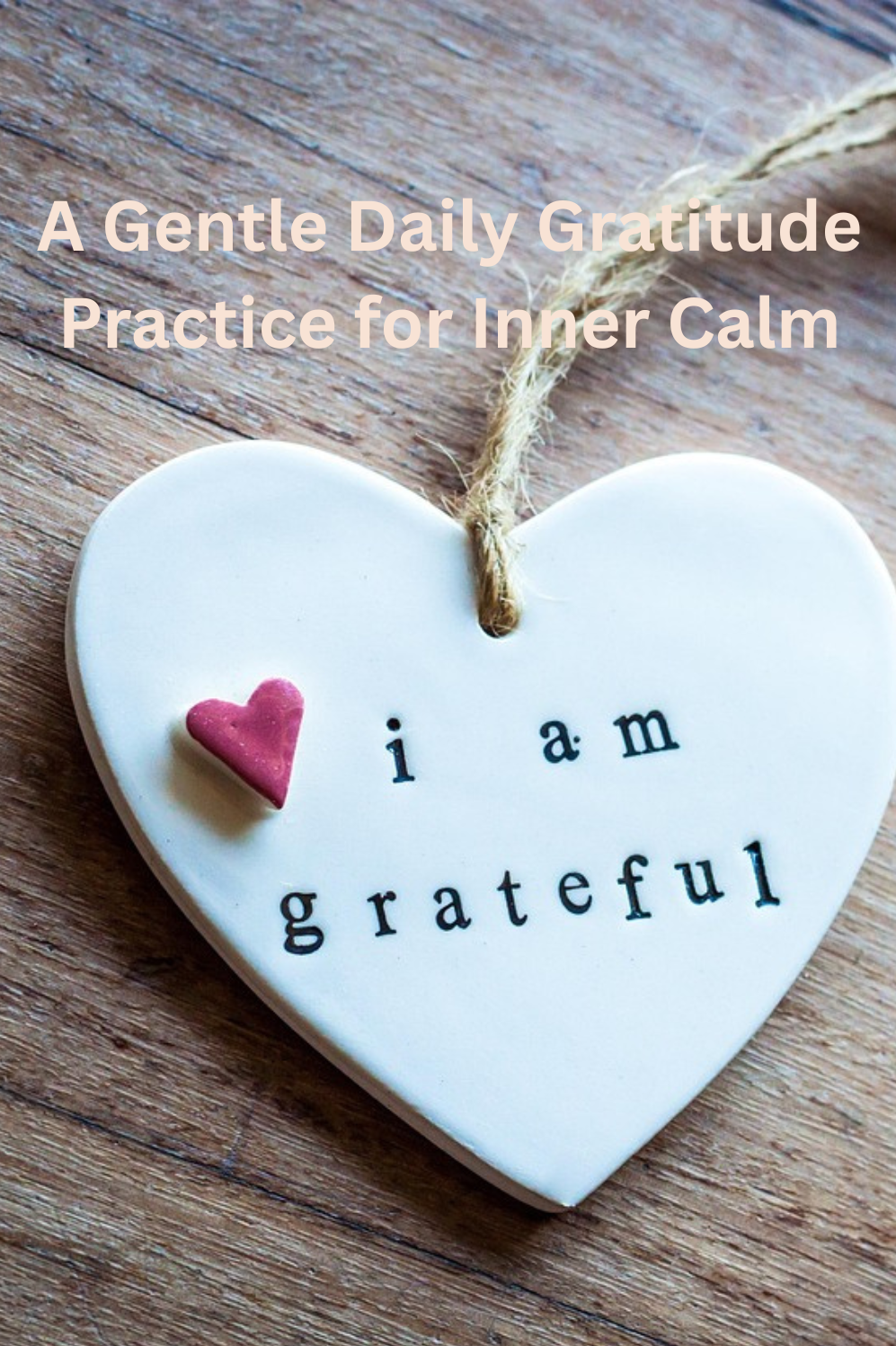
How To Create Inner Happiness Through Gratitude.

To acknowledge gratitude

Gratitude isn’t just about saying ‘thank you’; it’s a whole mindset. When you really tap into gratitude, you’re shifting your perspective from what you lack to what you have, which is life-changing. I know it certainly was for me!! It’s not just a fleeting feeling but a consistent shift in how you view the world, which can be incredibly empowering and impact you super fast.

There’s some solid research backing this up. Studies have shown that consistently practising gratitude can enhance your mood, boost mental well-being, and even improve relationships. It’s like a ripple effect. When you’re feeling grateful, you’re more positive, and that energy spreads to those around you and can impact all of your lives. For me personally, it will always be my go to.

I had an instilled curiosity in me from a child, and as life began to impact on me in so many ways, I needed to find ways to overcome the suffering that seem to be constantly hovering over me. I became inspired by people who had turned things around. Many had shared their stories of how gratitude has lifted them from their darkest times and helped them to recognise and foster their resilience and joy. It’s not magic, although it feels magical, and helped me to change the trajectory of my life. What it is though, is commitment to appreciating life’s nuances, big or small. There is always something to be grateful for, however small it may seem.

Shifting to a gratitude mindset can also mean letting go of negativity. It doesn’t erase challenges, but it transforms how you address them, allowing you to approach life with a greater sense of purpose and happiness. Giving inner hope and nourishment, something that before at times, I felt I couldn’t achieve. Do you get what I mean?

Whether it’s recognising the beauty in a sunrise or being thankful for supportive friends, gratitude helps us zoom in on what’s valuable in our lives. This shift doesn’t just foster happiness; it strengthens our internal resilience. It makes each day matter, and helps build a bridge to connecting with the beauty of you. Yes you!!( I know I can hear the internal dialogue of you questioning that sentence, trust me, I get it. I questioned and doubted it all, “how could any of this help me?”)

Practices to Cultivate Daily Gratitude

When you start your day with gratitude it can totally change the course of your day and one easy way is keeping a gratitude journal. It can be something special just for you. Every morning or night, jot down three things you’re thankful for and do your very best to feel the emotion when you jot it down. That may feel strange at first but trust me it gets easier. All those little moments add up, and seeing them written can give you a boost and can make a massive impact on days when it might be that bit tricky to get started.

Also another great idea is having a gratitude jar? It’s a fun and visual way to keep gratitude at the forefront. Each time something makes you feel thankful, scribble it on a slip of paper and drop it in the jar. Watching it fill up is super rewarding. It’s a great way to end the year too, looking back at all the wonderful things you have been grateful for, that probably in the past might have been taken for granted. Life is busy, demanding, complicated I know, but why not take the best bits from it. You deserve to see those moments.

Please believe adding gratitude into your routine doesn’t have to be a chore, make it a fun part of your day. I’m sure you pause during the morning for a coffee or something and in the evening end up scrolling on your phone, or watching TV, or if you are crazy busy in the evening you deserve a few minutes break; so how about winding down with a little gratitude and reflect on what went right that day. Please know that even on tough days, finding one positive thing can shift your perspective and make a difference in so many ways.

Sharing gratitude can be so rewarding too. What started out being something I felt I needed just for me, quickly became a lovely thing for us all to share as a family on New Years Eve, when we all emptied our gratitude jars, it made the evening truly special. This then later turned into something I wanted to do to help people through the lockdowns through covid. I started a group on Facebook called Little Group of Happiness to help with the isolation, fear and loss of hope to help gain connectness, and regain gratitude. I felt the need from my own previous suffering to want to reach out and help others in that time of uncertainty to realise they could still tap into their joy. It was a humbling privilege to see human kindness unfold all from gratitude, sharing a safe space and being open to being vulnerable.

These practices don’t take much time but can seriously enrich your life, grounding you in the present and enhancing overall happiness. The key is to be open to the idea, then be consistent in integrating gratitude into your day until before you know it, it will be second nature. Think about how many things you have done in the past, that felt strange, maybe like driving, that now is just second nature to you, why not give it a go. You have nothing to lose and everything to gain.

Overcoming Barriers to Gratitude

Sometimes though, finding gratitude feels like searching for a needle in a haystack, especially when life throws curveballs. It’s normal to hit these roadblocks, but overcoming them starts with acknowledging they exist. It’s not about being happy clappy all day long, please don’t put that pressure on yourself, it helps nobody.

One of the biggest hurdles is getting caught up in daily stress. When you’re overwhelmed, gratitude can seem out of reach, but this is where mindfulness can step in like a lifeline. Start small—just a few deep breaths can help centre your mind, making it easier to focus on what you appreciate.

Negative self-talk also loves to steal the show. It’s crucial to flip the script inside your head. Replace those critical voices with affirmations or turn your focus to accomplishments, no matter how minor. This shift helps cultivate a more grateful outlook.

Maintaining gratitude during tough times is challenging yet incredibly rewarding. Try pausing when things seem chaotic, and list out what remains steady and good in your life—friends, family, or even your favourite book.

Cultivating gratitude doesn’t mean ignoring the hard stuff. Instead, it’s about shining a light on the positives, even in dim situations. This practice builds resilience and strengthens your ability to bounce back from setbacks, keeping happiness within reach.

Meshing Gratitude with a Happy Lifestyle

Gratitude isn’t just a personal journey; it’s like the secret sauce that can enhance every part of life. Whether it’s nurturing your friendships or boosting your career, embracing gratitude can bring about positive changes. Think of it as adding a new layer to your happiness that makes everything richer.

In workplaces and schools, there’s a growing trend of promoting gratitude. Programs and initiatives are all about cultivating appreciation, creating more positive environments where people thrive. Imagine heading to work or school where everyone recognizes and values contributions—you’ll look forward to it more, right?

Integrating gratitude into everyday goals isn’t difficult but highly impactful. Simple acts like expressing thankfulness in emails, recognising a coworker’s effort can make someone feel seen or acknowledging your own achievements can be super nurturing and impact your whole environment.

For a deeper impact, try setting long-term gratitude goals as part of your life planning. Whether it’s committing to weekly gratitude check-ins or starting your own group that shares weekly positives or joining our community, these actions push gratitude beyond the individual to strengthen community ties and a sense of belonging.

As you weave gratitude into the fabric of daily life, it transforms from an act to a lifestyle choice, opening up pathways to sustained inner happiness. This approach not only benefits you but creates a ripple effect, enhancing the well-being of those around you. So give it a go and tap into happiness through gratitude.

I hope you enjoyed this post and we would love to hear from you about what gratitude now means to you.

Because happiness begins with you – and as we like to say at Little Shop of Happiness,

✨ little moments create big joy.

With warmth,
Ali 🌸